
When planning a roof extension, the design depends heavily on how the existing structure layout connects to the new space. Ensuring structural integrity, matching architectural styles, and choosing the right roof profile are key to a seamless build.
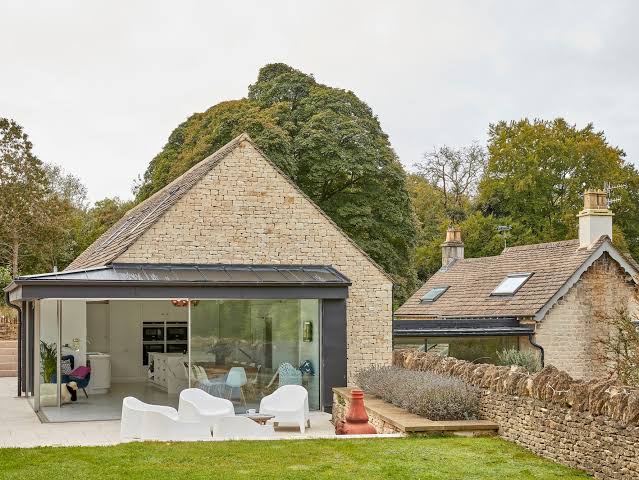
Core Roof Types for ExtensionsPitched Roof (Gabled or Hipped):Best For: Traditional styles, matching existing roof lines, and creating vaulted ceilings internally.Advantage: Excellent water drainage and longevity. Allows for integrated roof lights (Velux windows) to flood the extension with natural light.
Flat Roof:Best For: Contemporary designs, tight budgets, or planning height restrictions.Advantage: Offers a minimalist look and makes it easier to install large structural lanterns or flat glass skylights. Modern EPDM (rubber) or GRP (fiberglass) membranes have significantly improved durability over old felt flat roofs.
Key Technical & Design Considerations
1 Structural Support & Load Bearings: Extending an existing roof requires precise calculations for load distribution. Tie-ins between the old rafters and new structural steel beams must be carefully engineered.
2 Weatherproofing the Valley: The junction where the new extension roof meets the original house roof (the valley) is a critical water-management point. Proper lead flashing or high-performance valley liners are required to prevent leaks.
3 Thermal Efficiency: Modern building regulations require high thermal performance. Insulation must be packed tightly between and under rafters (warm roof or cold roof configurations) to minimize thermal bridging.